Answer the acidity
Tomato brings brightness and freshness. The wine should answer it, not crush it: few tannins, plenty of fruit, a supple body.
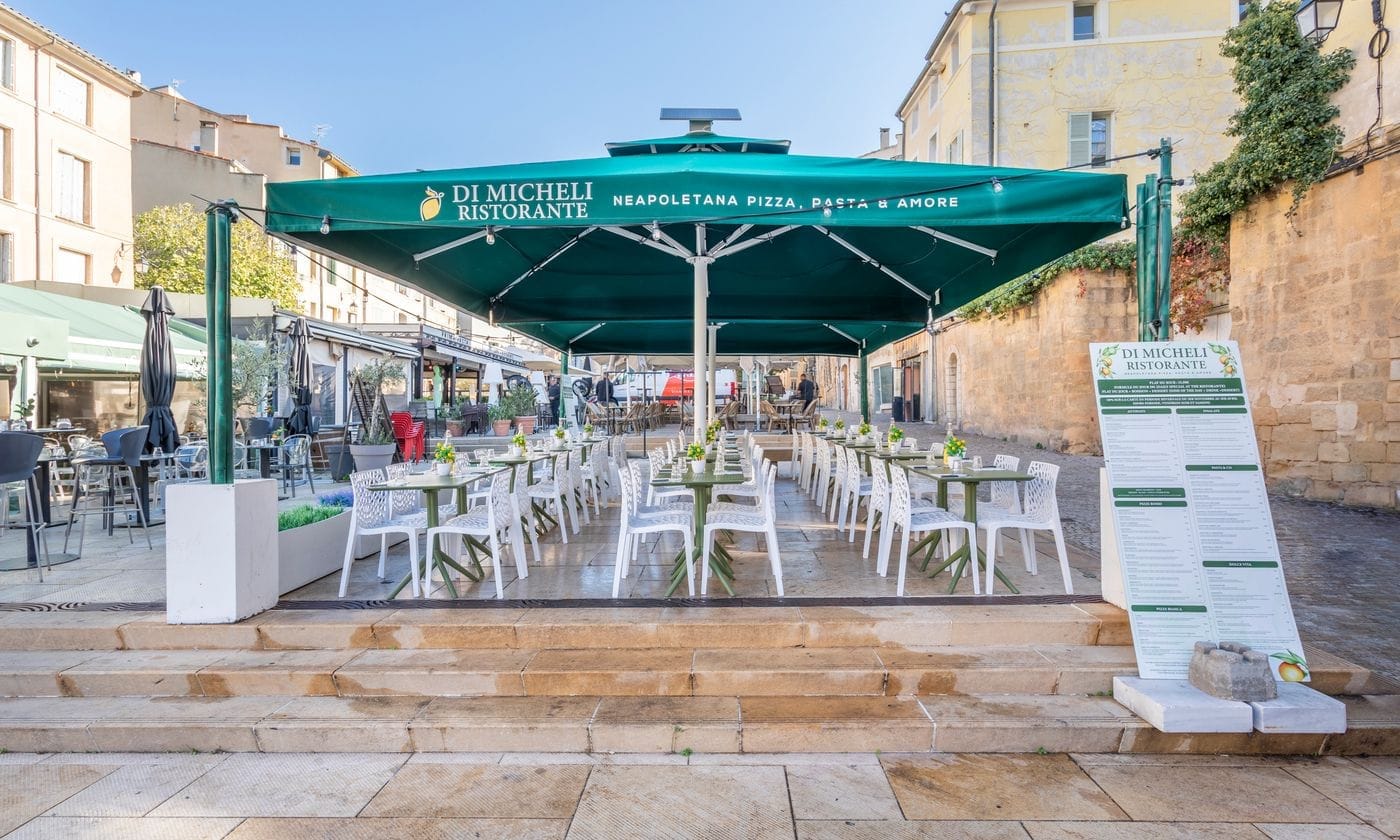
See you on Place des Cardeurs.
13 Place des Cardeurs, 13100 Aix-en-Provence
Lunch : 11h30-14h30
Dinner : 18h00-23h00
Which wine goes with a true Neapolitan? Dough fermented for 24 hours, a wood-fired oven at 480°, aromas of fresh bread: the glass has to answer all of that without ever shouting louder. Here is how we do it on Place des Cardeurs — no dogma, no snobbery.
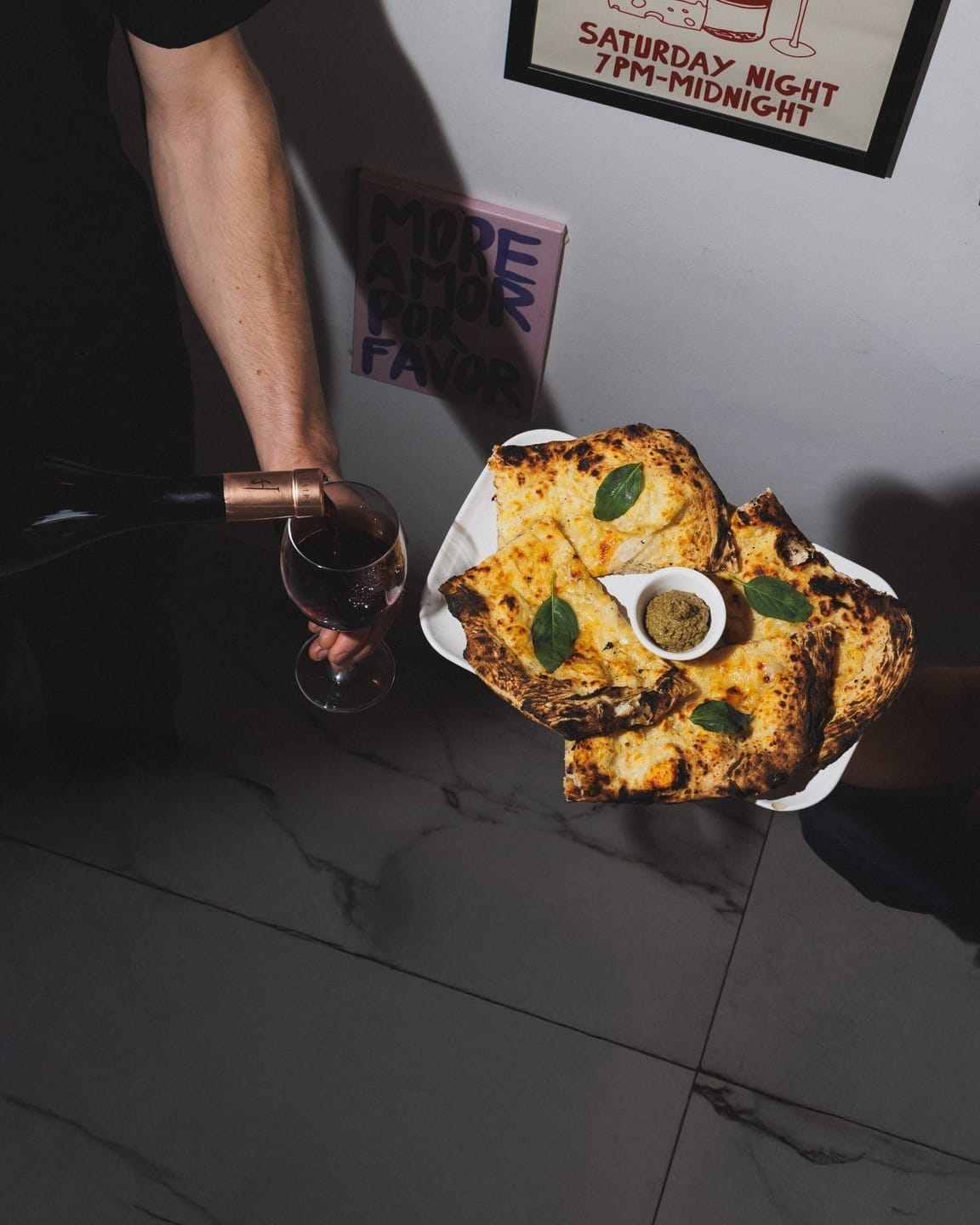
A good pairing comes down to three simple questions. Ask them in order and the rest falls into place.
Tomato brings brightness and freshness. The wine should answer it, not crush it: few tannins, plenty of fruit, a supple body.
Mozzarella, burrata, olive oil: the creamier the topping, the more freshness the glass needs to lift the palate again.
24 hours of fermentation at 70% hydration and a few seconds at 480°: this dough smells of fresh bread. An overpowering wine erases it.
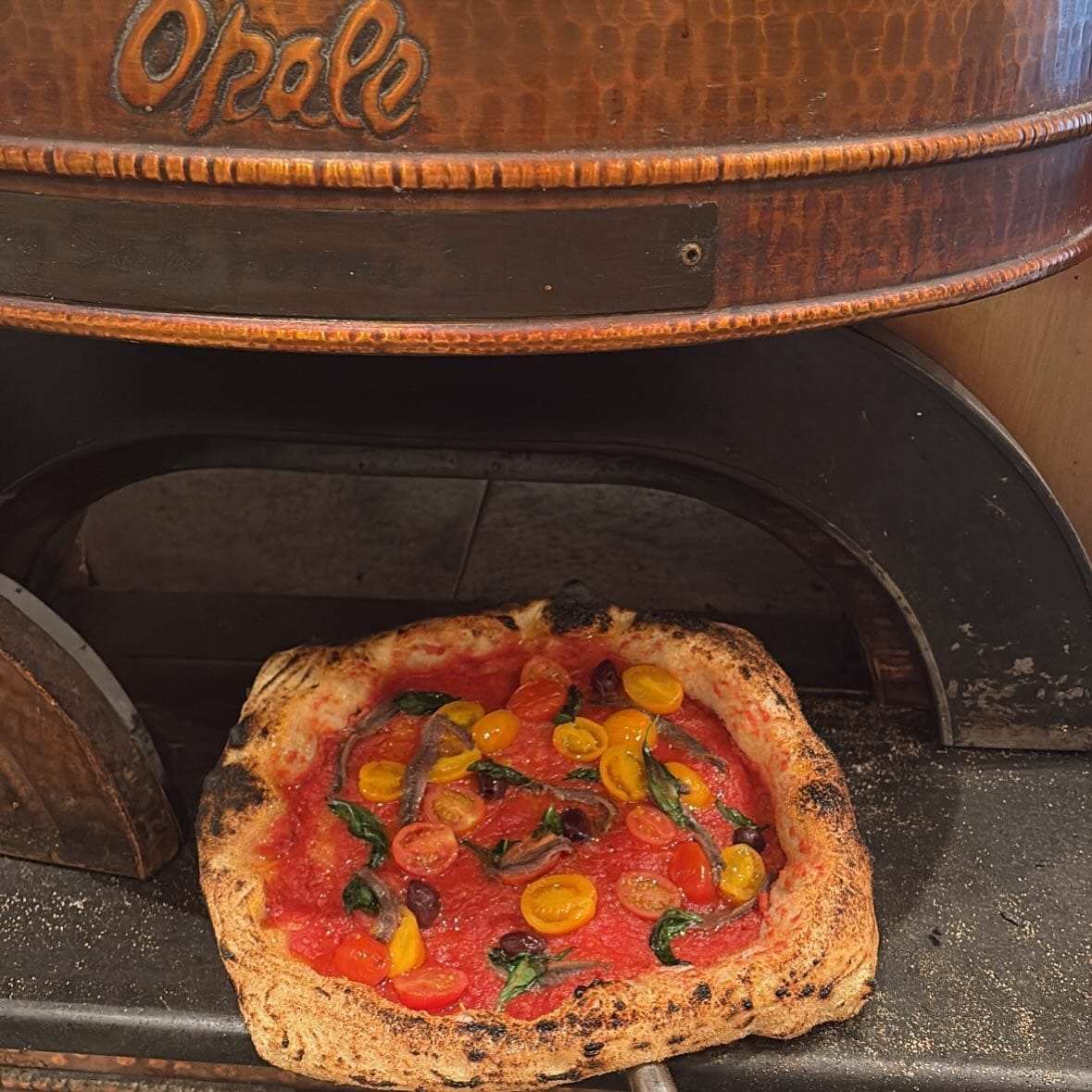
Tomato, mozzarella, basil, olive oil: the margherita is still the benchmark, and its simplicity is exactly what makes the pairing readable. Acidity comes from the tomato, milky softness from the mozzarella, and everything else belongs to the wood-fired dough.
On that balance, a supple, fruity Italian red with light tannins often works beautifully. A dry, lively rosé plays the same part with more tension. Either way, you want a wine that accompanies the tomato without dominating it and lets the cornicione have its say.
One glass, one pizza, one square
Place des Cardeurs, inside or on the terrace: the pizza leaves the oven and arrives scorching hot, the glass is already poured. That is where — and only where — a pairing proves itself.
The richer the topping, the more the pairing shifts. A burrata pizza, creamy and milky, needs freshness to balance the fat: a dry, aromatic white does the job very well, as does a light red served slightly chilled.
Spicier pizzas, with cured meats or a touch of heat, take more body and a bolder fruit. Every pizza has its glass: that is the whole point of thinking pairing dish by dish rather than hunting for one bottle that suits everything.
Our team of five is in the dining room for exactly that. Torn between a margherita and a burrata? Ask us and we will settle it together.
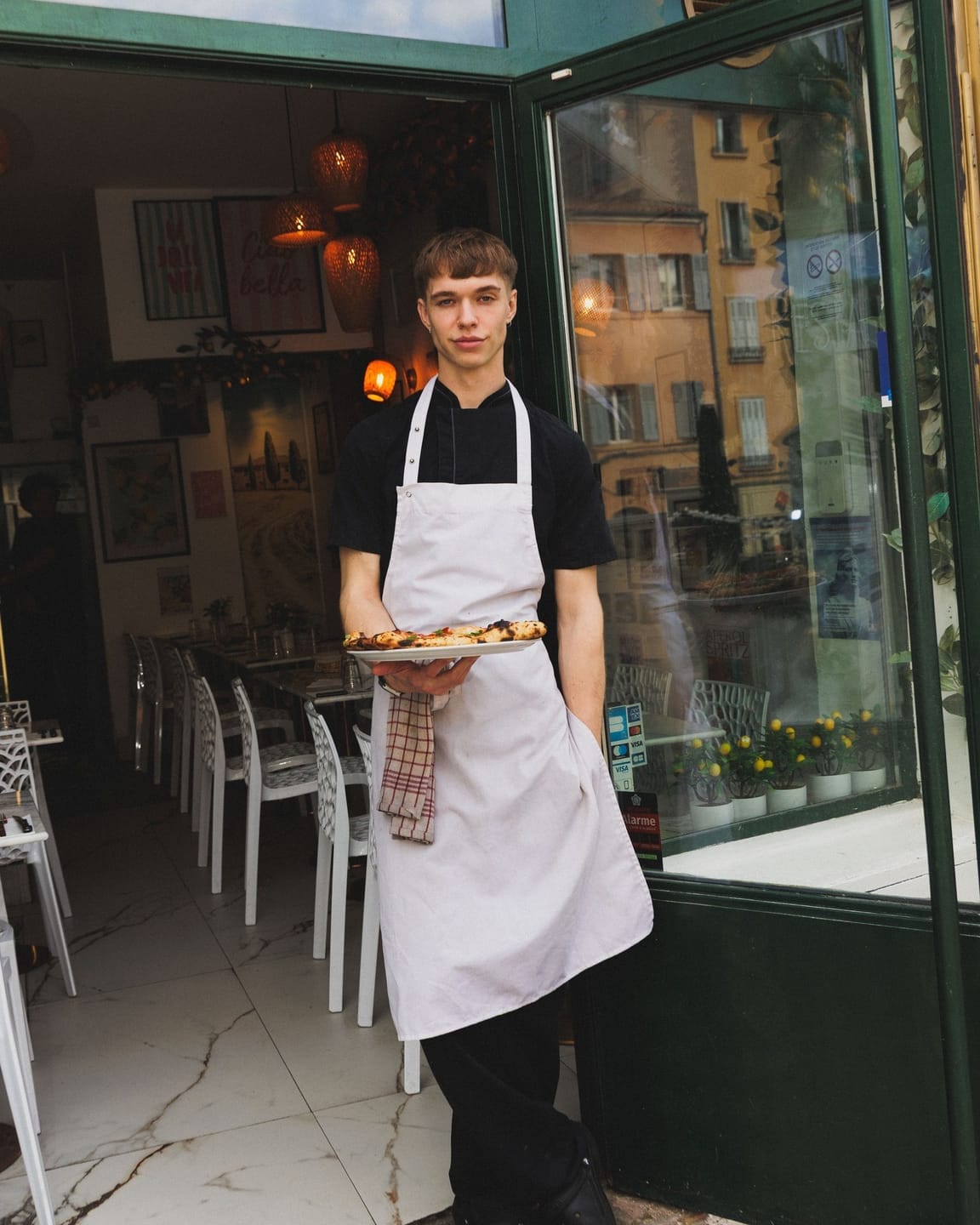
It is one of the questions we get asked most in the dining room. A true Neapolitan is not a pizza like any other: dough fermented for 24 hours at 70% hydration, given a few seconds under a 480° vault, builds aromas of fresh bread and a light chew that call for a carefully chosen wine. Caring about the pairing means showcasing the dough as much as the topping.
At Di Micheli the menu is short, the produce is fresh and no dough is ever frozen. The same standard guides our approach to the glass: we prefer simple, readable matches to complicated marriages. The point is not to recite rules, but to help you pick a glass that extends the pleasure of the table — at lunch on the terrace or at dinner with friends, in our family trattoria open since September 2021.
Food and wine pairing is an art in its own right, with a long tradition behind it. To explore its main principles, browse food and wine pairing on Wikipedia, then come and put them into practice at our table.
It all starts with the Neapolitan pizza, its 24-hour fermented dough and its wood-fired bake. Then the glass follows the topping: the margherita way or the burrata pizza way. Whether you are planning dinner with friends or simply looking for the right glass for your next pizza in Aix-en-Provence, what matters is the shared pleasure. Enjoy.
A few pages to go further after your read, from the menu to booking your table.
Usually a fresh, low-tannin wine: a supple, fruity Italian red, or a dry and lively rosé. The idea is to answer the acidity of the tomato without masking the aromas of the wood-fired dough.
The margherita, simple and balanced, pairs well with a light, fruity red or a dry rosé. Favour a wine that accompanies the tomato and mozzarella without dominating them, so the Neapolitan dough can speak.
Since burrata is creamy and milky, a wine with freshness balances it nicely: a dry, aromatic white, or a light red served slightly chilled. The freshness of the glass offsets the richness of the topping.
Both work: it depends on the topping. A supple red suits a margherita or any tomato-based pizza, while a dry, fresh white happily accompanies milkier pizzas such as the burrata.
Because dough fermented for 24 hours at 70% hydration and baked at 480° in a wood-fired oven develops real aromas of fresh bread. An overpowering wine wipes them out: better a glass that keeps the dough in the foreground.
Of course. Our team welcomes you at 13 Place des Cardeurs, 13100 Aix-en-Provence and will gladly guide you according to the pizza you choose and your own taste, at lunch and dinner, inside or on the terrace.
After the read, the glass: book your table at Di Micheli, Place des Cardeurs.