
Mozzarella loves the oven
Firm and even at heart, it melts beautifully under the flame without falling apart. It is the natural partner of a wood-fired pizza.
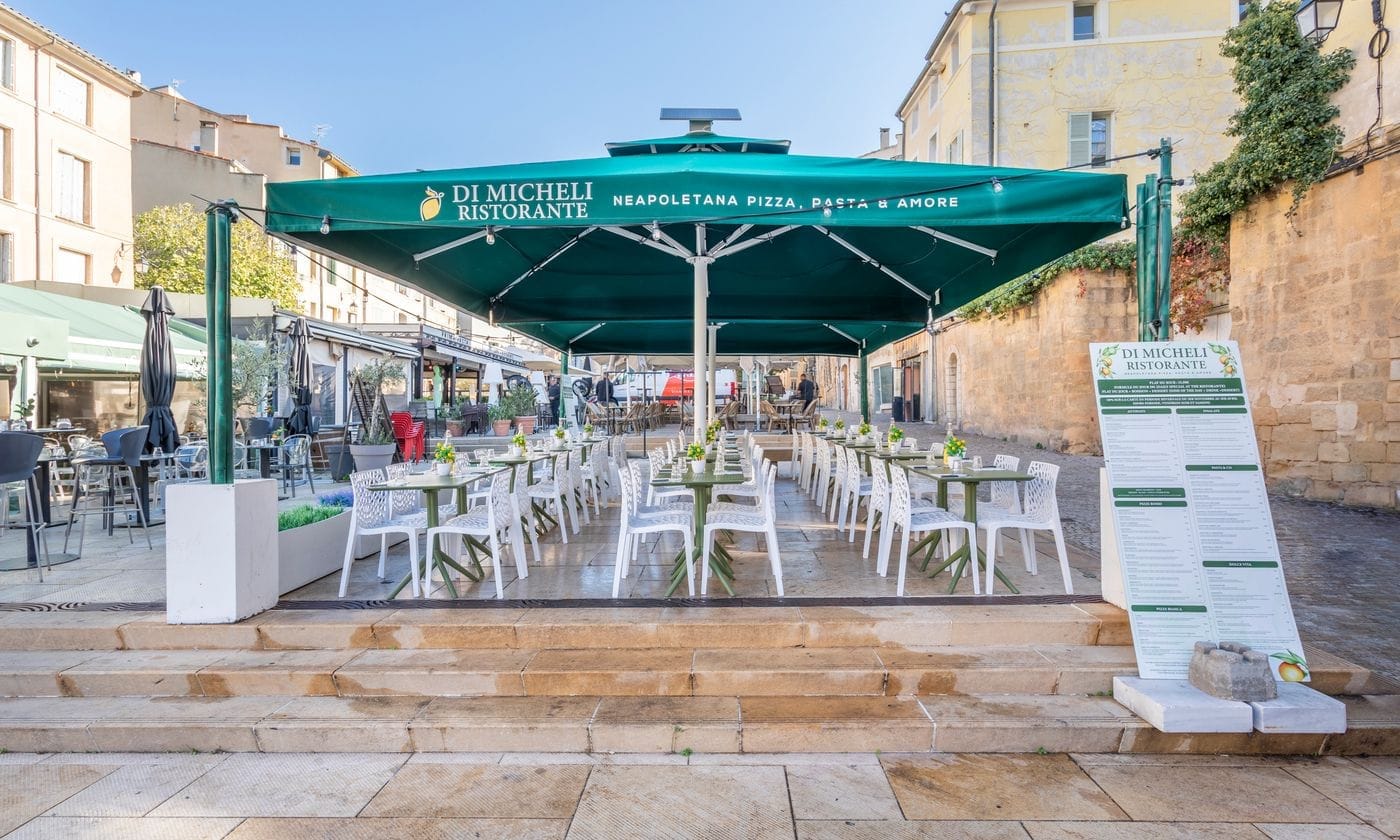
See you on Place des Cardeurs.
13 Place des Cardeurs, 13100 Aix-en-Provence
Lunch : 11h30-14h30
Dinner : 18h00-23h00
Same whiteness, same round shape, same milky freshness: to the eye, they blur into one. From the first bite, nothing alike. The Di Micheli trattoria explains what really separates these two Italian cheeses, Place des Cardeurs in Aix-en-Provence.
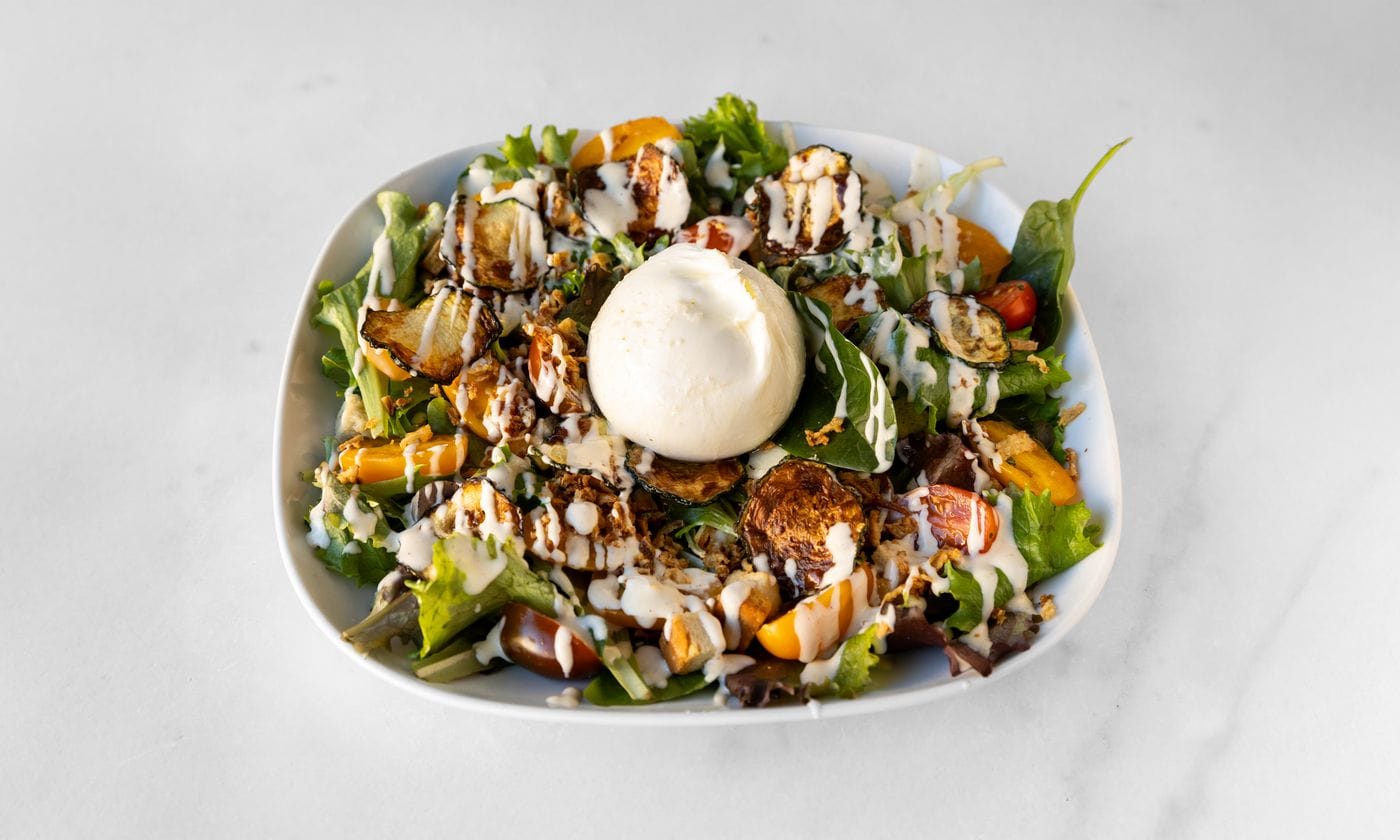
To settle it in a moment, here are the main differences between burrata and mozzarella, from the dairy to the plate.
| Criterion | Mozzarella | Burrata |
|---|---|---|
| How it is made | Stretched curd, pulled then shaped into an even ball. | A thin stretched-curd shell filled with stracciatella and cream. |
| Texture | Supple and elastic, firm and even all the way through. | A delicate shell and a flowing, deeply creamy heart. |
| Taste | Mild and milky, understated throughout. | Rich, generous and buttery. |
| At the table | Melts under heat: ideal baked on a wood-fired pizza. | Eaten raw or barely warm, added at the very last moment. |
| Best use | Margherita pizza and baked dishes. | Antipasti and burrata pizza, added as it leaves the oven. |
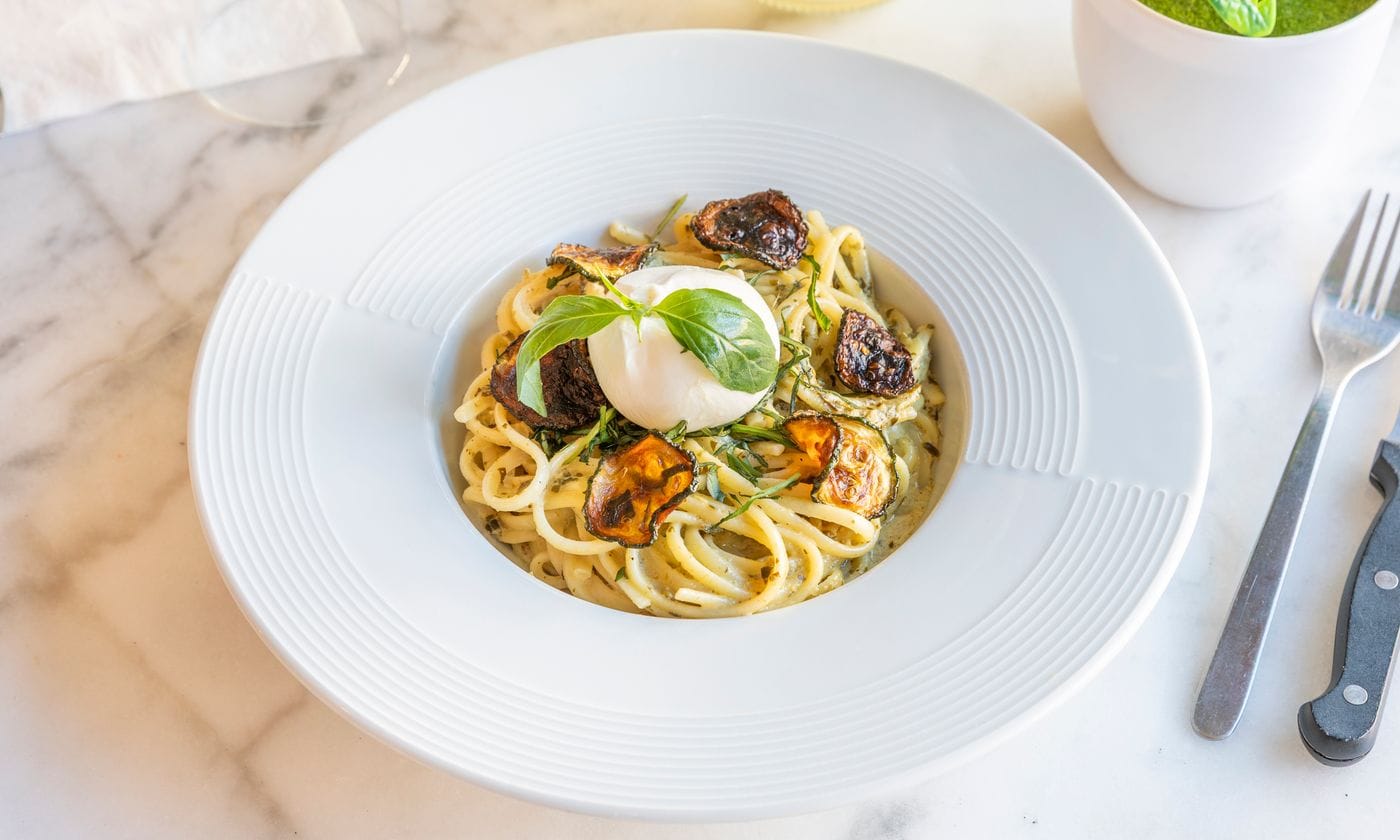
The difference lies neither in the milk nor in the region, but in what the cheesemaker decides to put inside. Four steps tell the whole story.
Both cheeses start from the same place: a fresh milk curd, dropped into hot water until it turns supple and stretchable.
The curd is pulled by hand — this is pasta filata. Shaped into a full, even ball, it becomes mozzarella. The story could end right there.
For burrata, the cheesemaker keeps only the shell: a thin pouch of that same stretched curd, deliberately left hollow.
He fills it with stracciatella — shreds of stretched curd drowned in cream — then closes it. That flowing heart changes everything.
Due formaggi, una tavola
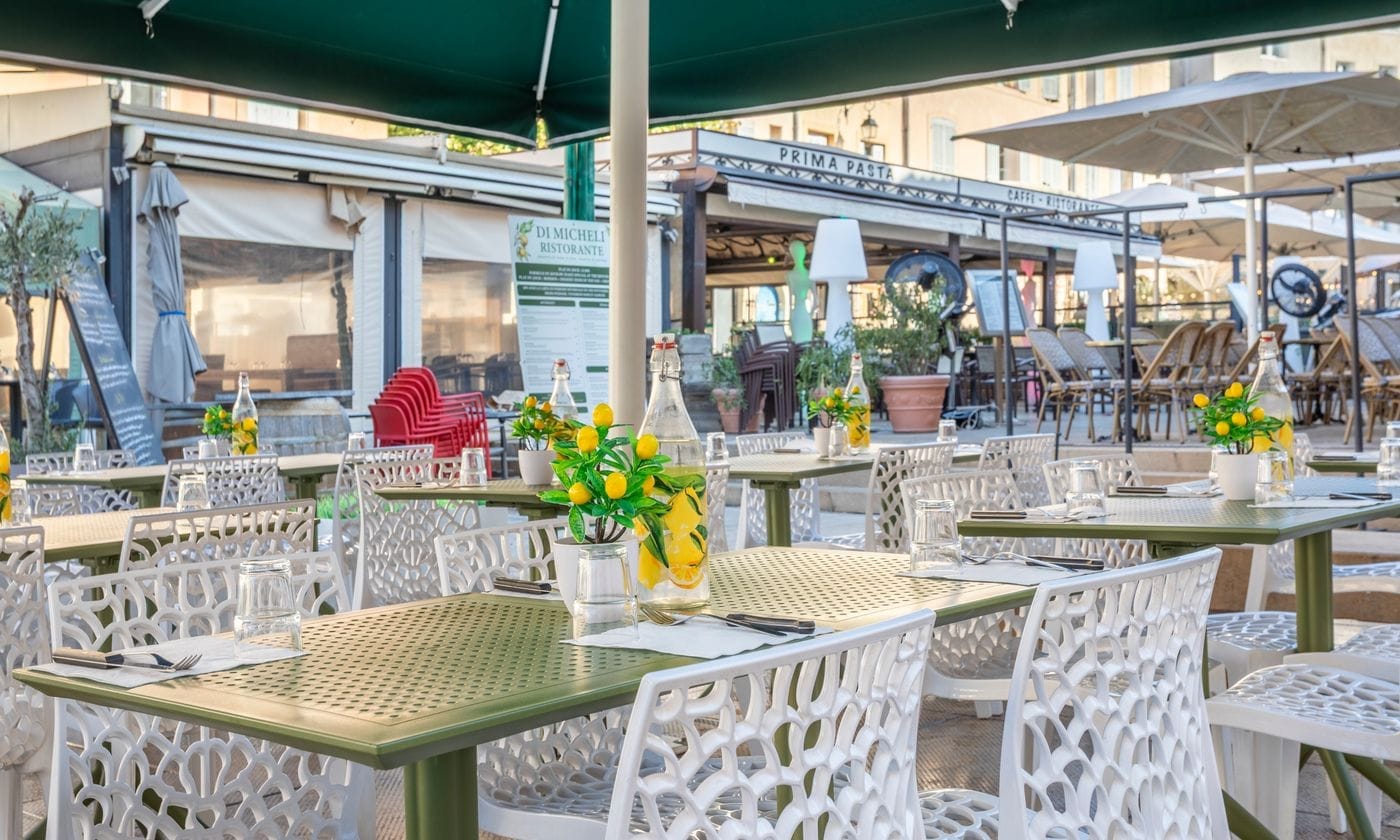
Place des Cardeurs, lively and car-free, inside or on the 90-seat terrace. Mozzarella melts on our Neapolitan pizzas, burrata arrives raw and generous: the simplest thing is still to taste both.
In Italian cooking the rule is almost always the same: mozzarella is baked, burrata is laid on raw. Here is why.
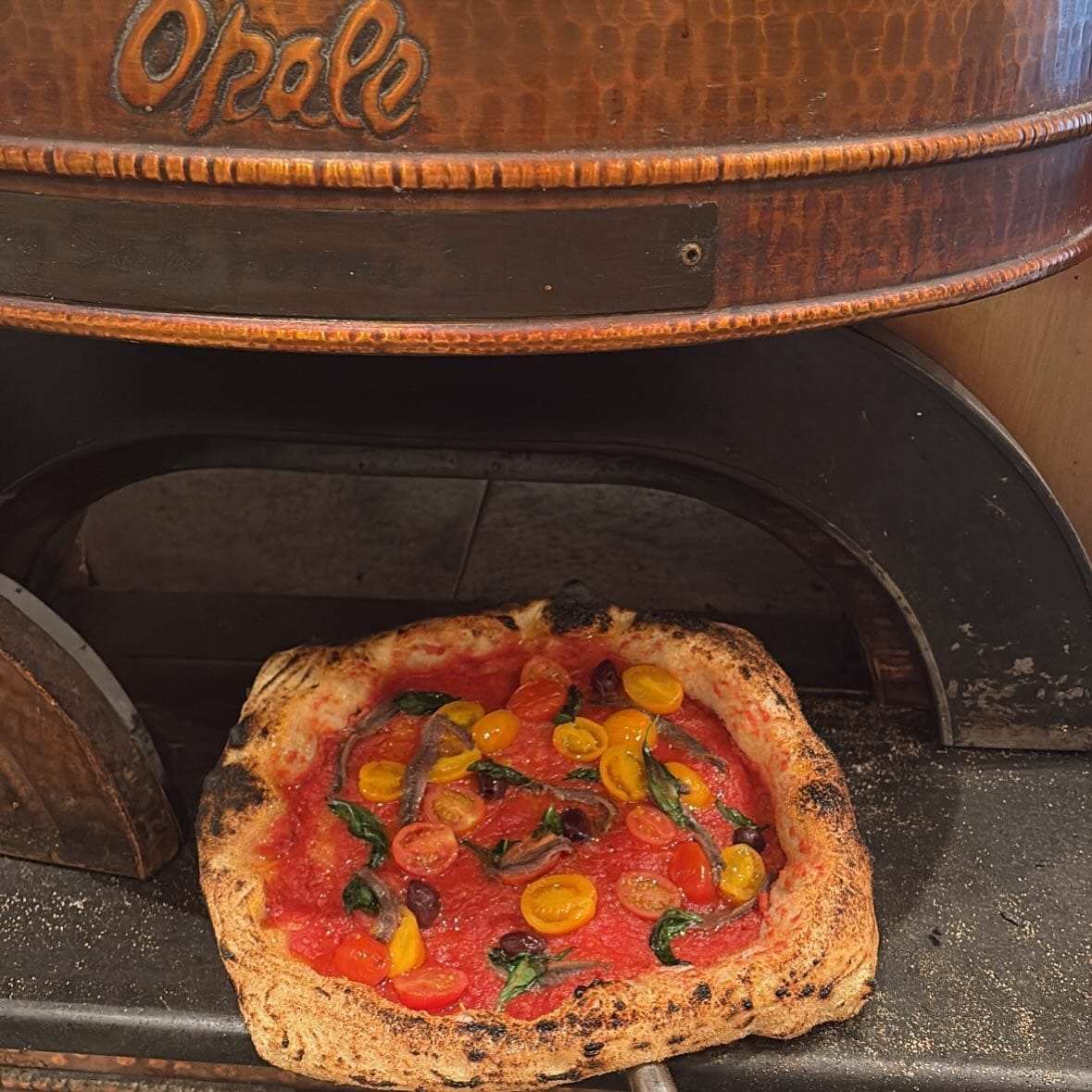
Firm and even at heart, it melts beautifully under the flame without falling apart. It is the natural partner of a wood-fired pizza.
Baked, it would release its water and soak the dough. Everything that makes it precious — the cream, the milky taste — would go in the heat.
Burrata is added at the last moment, whole, on a still-steaming pizza: it does not bake, it warms through just enough.
Mozzarella accompanies quietly, burrata takes the lead. On a margherita, the first; as an antipasto, the second.
Elasticity on one side, a flowing heart on the other. Texture, more than taste, decides which cheese to pick.
Take burrata out of the fridge twenty minutes before serving: ice-cold, its heart stays closed and it gives you nothing.
At Di Micheli the menu is deliberately short: fresh produce, no frozen dough. That same standard guides how we treat cheese. We let mozzarella melt on our Neapolitan pizzas, and give burrata a place of its own, laid on gently so it keeps all of its freshness.
Our team of five will gladly point you one way or the other, whether you are torn between a melting margherita and a generous burrata pizza. A family trattoria open since September 2021, with a private room seating 28 and a 90-seat terrace.
A few pages to go further, from the burrata pizza to booking your table.
It is one of the questions we hear most often in the dining room, Place des Cardeurs. To the eye, the two Italian cheeses look alike: same whiteness, same round shape, same milky freshness. Yet from the first bite the experience is nothing alike. Mozzarella gives a supple, elastic chew; burrata hides a flowing heart that spreads the moment you open it.
Mozzarella is a stretched-curd cheese: the curd is pulled then shaped into an even ball, firm and melting at heart. Burrata starts from that same mozzarella but keeps only the shell. Under that thin pouch hides a creamy mix of curd shreds and cream, the stracciatella. In short: every burrata begins as a mozzarella, but not every mozzarella is a burrata.
In the mouth, mozzarella wins you over with its elasticity and quiet sweetness. Burrata, richer and milkier, plays generosity: it is laid on at the last moment, barely warm, to protect its flowing heart. The point is not to recite a cheesemaker's notes, but to help you choose according to the dish and the moment.
Burrata is a speciality from Puglia, with a recent history that is already well rooted. To read more about where it comes from, browse the burrata entry on Wikipedia, then come and taste it at our table.
At Di Micheli, mozzarella melts on the Margherita while burrata is laid on raw over our burrata pizza. Both rest on the same base: a 24-hour fermented dough baked in the wood-fired oven. Whether you are cooking at home or simply want to understand these two cheeses better, what matters is the pleasure of the table. Enjoy.
Mozzarella is a stretched-curd cheese, firm and even at heart. Burrata reuses that shell but holds a creamy heart of stracciatella and cream. It is that flowing centre that tells burrata from mozzarella at once.
Yes, in a sense: the shell of a burrata is a thin pouch of stretched curd, just like mozzarella. The difference comes from the inside, filled with a creamy mix that makes burrata far richer and more melting.
Mozzarella melts under heat: it is the ideal partner of a wood-fired pizza. Burrata is eaten raw or barely warm, added at the last moment: baking would make it release its water and lose its creamy heart.
It is the heart of the burrata: shreds of stretched curd mixed with cream. Sealed inside a thin mozzarella shell, this filling gives burrata its flowing texture and its generous taste.
It depends on the effect you want. Mozzarella, melted in the oven, brings the quiet binding of a margherita. Burrata, laid on whole as the pizza leaves the oven, brings cream and takes the lead. Both pizzas are on our menu.
Di Micheli Ristorante welcomes you at 13 Place des Cardeurs, 13100 Aix-en-Provence, right in the pedestrian centre of old Aix. Monday to Sunday, from 11h30-14h30 and from 18h00-23h00, inside and on the terrace.
Book your table on Place des Cardeurs and settle the debate yourself, a pizza in each hand.