Mascarpone
A rich, silky cream from Lombardy, whipped with egg yolks and sugar until it turns airy. It is the heart of the dessert.
See you on Place des Cardeurs.
13 Place des Cardeurs, 13100 Aix-en-Provence
Lunch : 11h30-14h30
Dinner : 18h00-23h00
Where does this coffee and mascarpone dessert, now an Italian classic, actually come from? A recipe born in north-eastern Italy, younger than you would think, which we make in-house on Place des Cardeurs in Aix-en-Provence.
Unlike Italian recipes centuries old, tiramisu's story spans a few decades at most. Here is how it unfolds.
Most sources place tiramisu in the second half of the twentieth century, in north-eastern Italy. On the scale of Italian cooking, that is almost yesterday.
“Tiramisu” comes from Venetian and means “pick me up”, “pull me upwards”: the reviving effect of coffee and sugar, summed up in one word.
It was born where recipes travel by voice rather than in writing: in trattorias and family kitchens, with no archive and no patent.
From table to table, every cook adds a touch — a dash of liqueur, a stronger coffee, biscuits soaked more or less deeply.
Tiramisu rests on a handful of ingredients. There are very few of them: which is exactly why their quality decides everything.
A rich, silky cream from Lombardy, whipped with egg yolks and sugar until it turns airy. It is the heart of the dessert.
The ladyfinger biscuits, soaked in strong coffee just enough. Too dry and they break the dessert; too wet and they drown it.
The other signature. It brings the bitterness and the contrast that balance the sweetness of the mascarpone — without it, tiramisu collapses.
A fine dusting added just before serving. Laid on too early, it drinks the moisture of the cream and loses its bite.
Veneto o Friuli?
Veneto, around Treviso, and Friuli-Venezia Giulia both claim the dessert was born in their trattorias in the 1960s and 1970s. Several restaurants claim the invention; historians weigh accounts, old menus and family memories without any consensus emerging.
5
people in the kitchen and the dining room
2021
a family trattoria since September
90
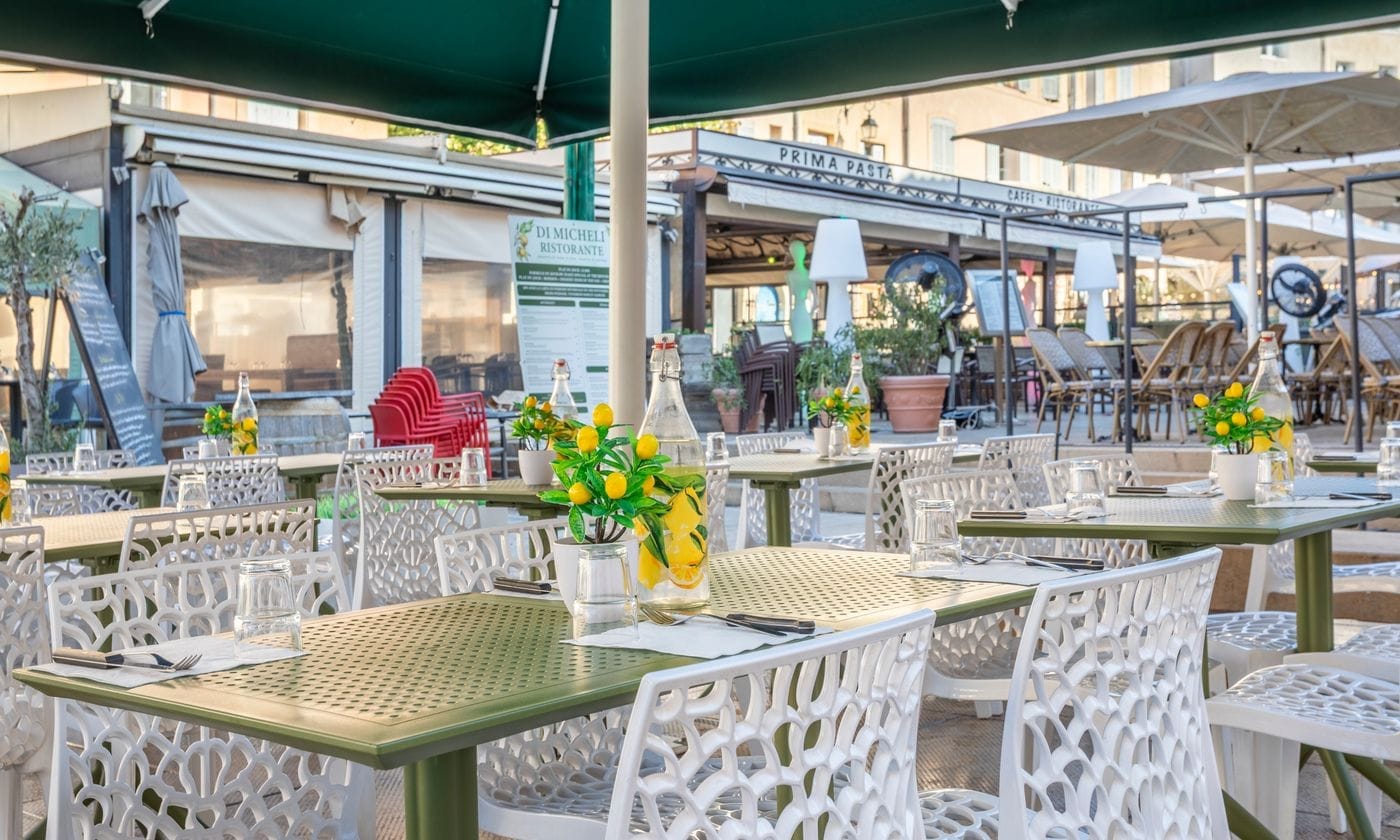
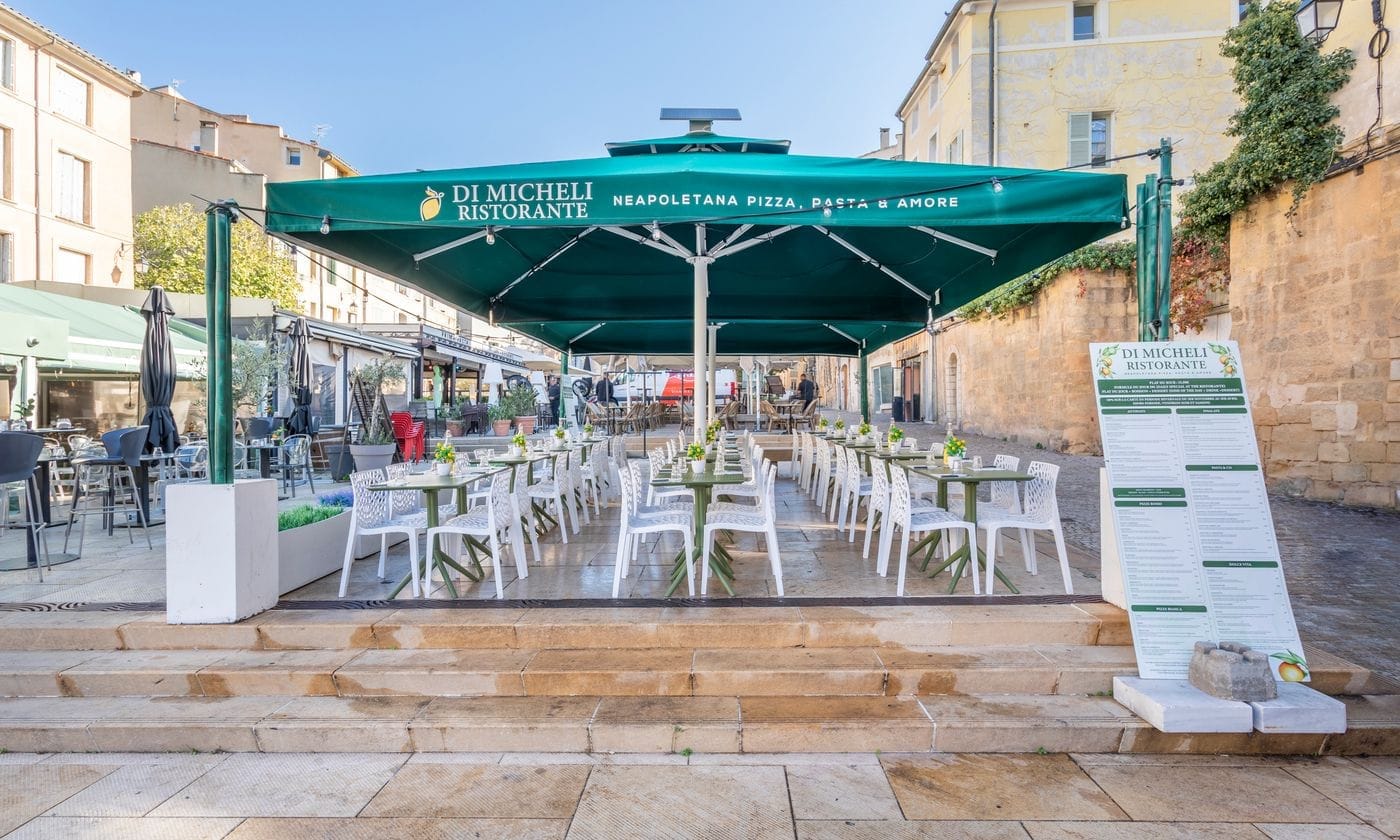
seats on the terrace, Place des Cardeurs
Beyond the question of who invented it, what moves us in the story of tiramisu is that it belongs to everyone. Like many great Italian classics, it spread from table to table, and that spirit of handing things on is what we try to honour in our own version.
We make it with fresh produce and no shortcuts, holding it to the same standard as our Neapolitan pizza and our fresh pasta. Our menu is deliberately short to keep every plate fresh: tiramisu has a place of choice on it, to close a meal gently.
Knowing where tiramisu comes from makes every spoonful better. A few pages to go further.
The origin of tiramisu is one of the finest riddles in Italian cooking. Unlike recipes that are centuries old, this coffee and mascarpone dessert is surprisingly recent: most sources place it in north-eastern Italy, in the second half of the twentieth century. Its very name, which in Venetian means “pick me up”, points to the reviving effect of coffee and sugar, and already tells much of its story.
Understanding where tiramisu comes from means going back into the culture of trattorias and Italian families, where recipes travel by voice rather than in writing. Mascarpone whipped with egg yolks and sugar wraps around savoiardi soaked in strong coffee; a fine dusting of bitter cocoa crowns the whole thing just before serving. Few ingredients, but not one you can cheat on: that is why a tiramisu made with fresh produce is nothing like an industrial version.
Then there is the debate, a passionate one, between two neighbouring regions: Veneto, around Treviso, and Friuli-Venezia Giulia. Both claim the dessert was born in their trattorias in the 1960s and 1970s, and no definitive historical consensus has ever settled it. To us, having no owner is precisely what makes tiramisu charming.
To explore the history and the variations of this dessert in more detail, you can read the tiramisu entry on Wikipedia, then come and rediscover it on our plates.
At Di Micheli, tiramisu closes a meal that often starts with our Italian cooking and carries on with the Italian desserts of the house. You will find our homemade tiramisu on a deliberately short menu, Place des Cardeurs, right in the historic centre of Aix-en-Provence. Enjoy.
Tiramisu is a recent Italian dessert, generally placed in north-eastern Italy in the second half of the twentieth century. Its Venetian name means “pick me up”, a reference to the stimulating effect of coffee and sugar.
Two neighbouring regions claim the invention of tiramisu: Veneto, around Treviso, and Friuli-Venezia Giulia. Several trattorias claim the recipe, and no definitive historical consensus has ever settled the debate.
Traditional tiramisu combines mascarpone whipped with egg yolks and sugar, ladyfinger biscuits (savoiardi) soaked in coffee, and a thin layer of bitter cocoa on top. The quality of the fresh produce makes all the difference.
The name “tiramisu” comes from Venetian and literally means “pick me up” or “pull me upwards”. It refers to the energy brought by coffee and sugar, the two central ingredients of the dessert.
Yes, we make our tiramisu in-house with fresh produce and no shortcuts, following the same logic as the rest of our Italian cooking. You will find it on our menu, to enjoy inside or on the terrace, Place des Cardeurs in Aix-en-Provence.
Our trattoria welcomes you at 13 Place des Cardeurs, 13100 Aix-en-Provence, right in the historic centre. Monday to Sunday, from 11h30-14h30 and from 18h00-23h00. Book your table online or by phone on 06 34 33 98 93.
Book your table at Di Micheli, Place des Cardeurs, and finish your meal with our homemade tiramisu.