
24h
The rest
The dough is made the day before, then left alone for 24 hours. Yeast and flour work at their own pace, unhurried, long before the oven.
See you on Place des Cardeurs.
13 Place des Cardeurs, 13100 Aix-en-Provence
Lunch : 11h30-14h30
Dinner : 18h00-23h00
On Place des Cardeurs, our pizza dough rests for 24 hours and gets a double kneading before it ever meets the wood-fired oven. Here is why those two gestures change everything, from the crust to the very last bite.
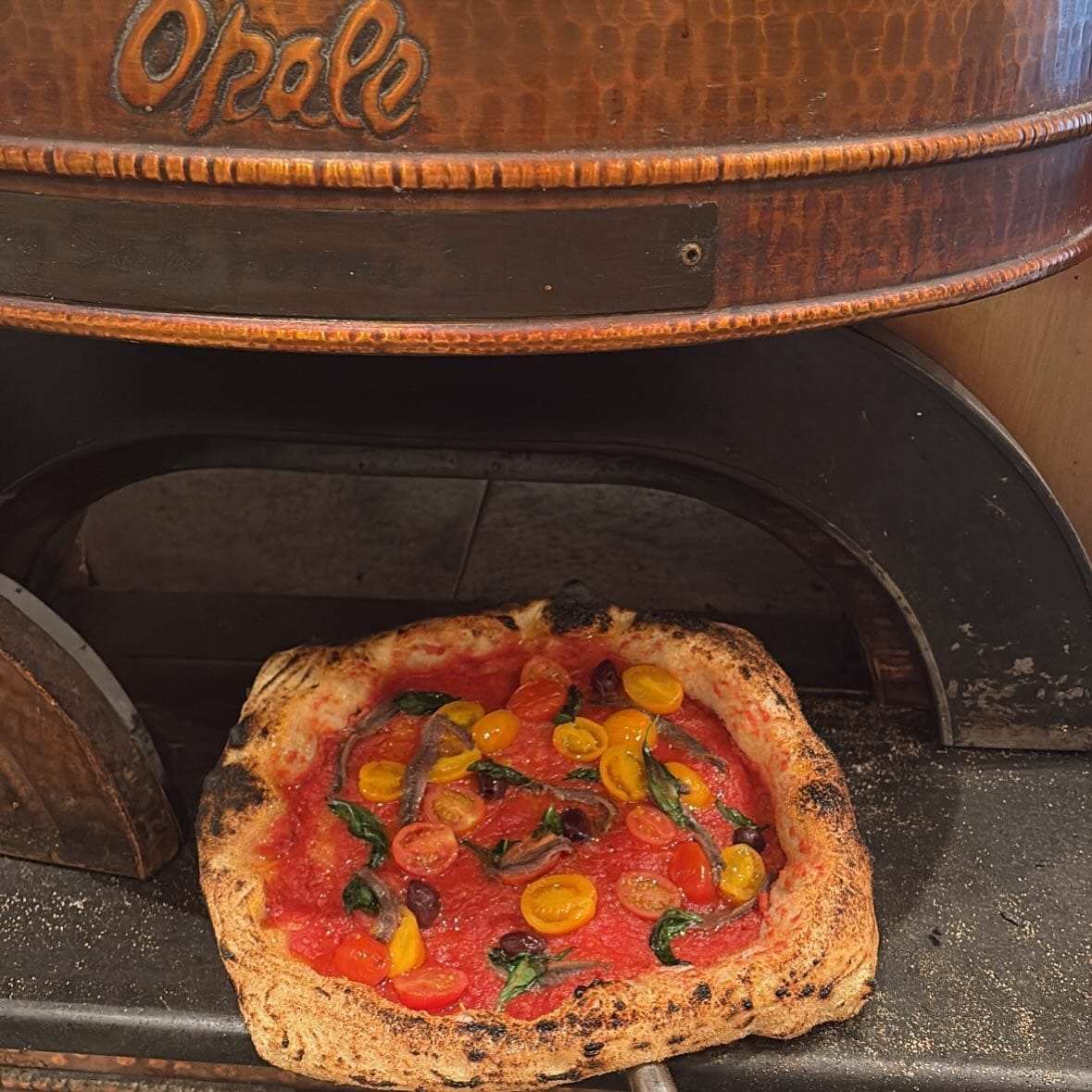
Three simple markers are enough to understand our dough: the time we give it, the water it holds, the heat that seizes it.
24h
The dough is made the day before, then left alone for 24 hours. Yeast and flour work at their own pace, unhurried, long before the oven.
70%
That extra water brings the softness and the open, airy crumb, which only truly reveal themselves during baking.
480°
The base is seized in seconds. That thermal shock puffs up the cornicione and locks in all the work of the previous 24 hours.
The question comes up at almost every service, at the counter and out on the terrace: why a 24-hour fermented dough? At Di Micheli, this is no passing trend but the heart of our Neapolitan pizza craft. Twenty-four hours is time given to the dough so it can relax and transform deeply, long before it meets the wood-fired oven.
In practice, we make the dough the day before, at 70% hydration and with a double kneading, then we let it rest. This long rest is not a scheduling constraint: it is a deliberate step that shapes everything you will taste afterwards. A last-minute dough and a dough rested for 24 hours simply do not have the same flavour, nor the same structure.
The first benefit is digestibility. During the rest, the gluten network relaxes and the dough becomes easier to digest. That is why you rarely feel heavy after a properly rested Neapolitan pizza: the dough has already done part of the work before it even reaches your plate.
If the subject fascinates you, you can dig deeper into the principle of fermentation on Wikipedia, then come and compare the theory with the practice in our pizzas.
Il tempo fa tutto
A family trattoria open since September 2021, five enthusiasts, a tight menu — and a dough we give all the time it needs.
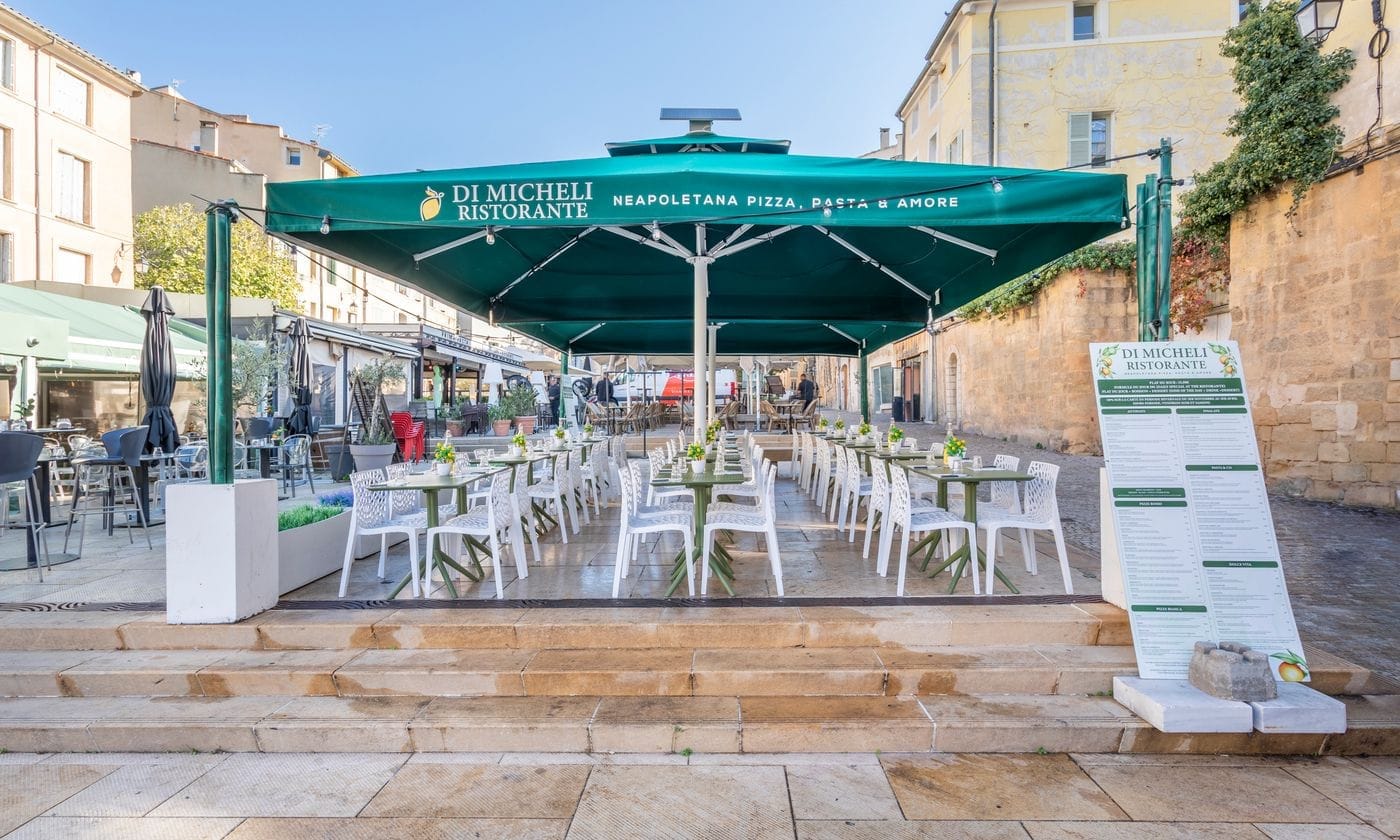
All of our Neapolitan pizza rests on this foundation: a 24-hour fermented dough, fresh produce and a tight menu, with no frozen pasta. We are a team of five who care about doing things right rather than doing them big.
That is also why we take the time to explain our dough: understanding the work makes what is on your plate taste better. Indoors or on the terrace, at lunch and in the evening, we would love to let you taste it.
Rest, digestibility, texture, baking: what sets a long-fermented dough apart from one made at the last minute.
| Criterion | 24-hour fermented dough (Di Micheli) | Last-minute dough |
|---|---|---|
| Resting time | Dough made the day before, then 24 hours of rest with a double kneading before the oven. | Dough kneaded and shaped straight away, with no real resting time. |
| Digestibility | The gluten network relaxes and the dough becomes easier to digest: you rarely feel heavy afterwards. | The gluten had no time to relax: the dough reaches the plate as is, and sits heavier. |
| Hydration and crumb | 70% hydration: that extra water brings the softness and the open crumb that reveal themselves in the oven. | Without a long rest, water and gas spread differently: the crumb stays tighter. |
| Wood-fired baking | At 480°, the oven seizes the base in seconds, puffs up the cornicione and locks in the previous 24 hours of work. | Without a properly rested and kneaded dough, the wood-fired oven does not deliver the same result. |
| Flavour and structure | The long rest develops the flavour of the dough and gives it structure, the base of our Neapolitan pizza. | Neither the same flavour nor the same structure: the dough had no time to transform deeply. |
A few pages to go further on our dough, our wood-fired oven and our Neapolitan pizzas in Aix-en-Provence.
A 24-hour rest, followed by a double kneading, gives the dough time to transform deeply. The result is a pizza that is lighter, airier and more digestible than one made with a last-minute dough.
Yes. During the 24-hour rest, the gluten network relaxes and the dough becomes easier to digest. That is one of the reasons you rarely feel heavy after a real Neapolitan pizza.
Our dough is worked at 70% hydration. That extra water gives it its softness and its open, airy crumb, which reveal themselves when baked in the wood-fired oven.
At 480°, the wood-fired oven seizes the pizza in seconds, puffs up the cornicione and locks in all the work of the 24-hour rest. It is the baking that showcases a rested, double-kneaded dough.
At Di Micheli, 13 Place des Cardeurs, right in the centre of Aix-en-Provence. We welcome you at lunch and in the evening, indoors or on the terrace, since September 2021.
Reading done, tasting next: book your table at Di Micheli, Place des Cardeurs.